
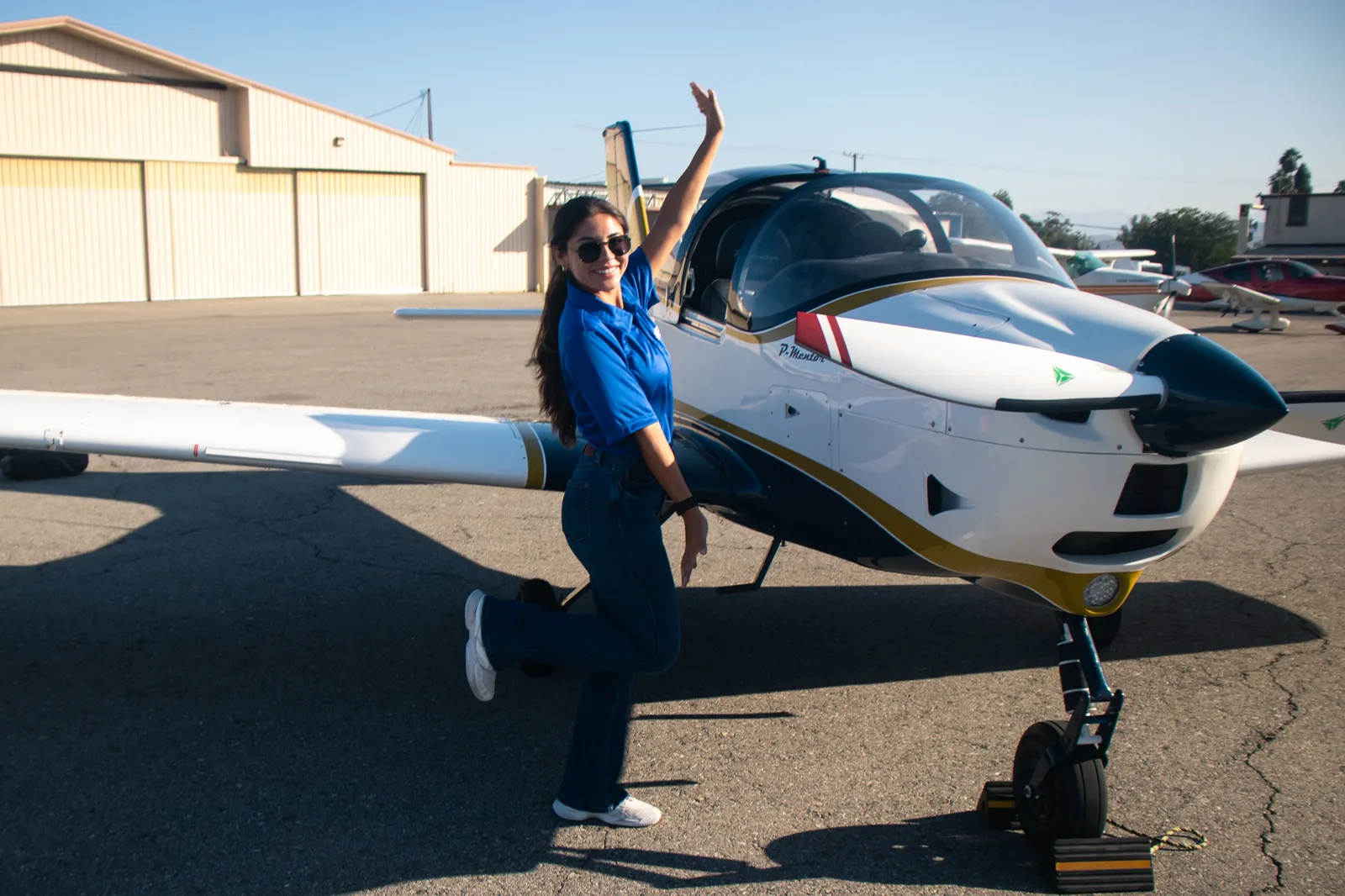
Private Pilot License
The license that starts everything. Fly yourself, your friends and your family, anywhere in the country.
One license. The whole sky.
The private pilot license is the FAA certificate that lets you fly an airplane on your own, with passengers, wherever you want to go. Everything else in aviation is built on it, from weekend flights up the coast to an airline career.
At CFII you can earn it on its own, at your own pace, or as part of the Career Track. Same airplanes, same instructors either way.
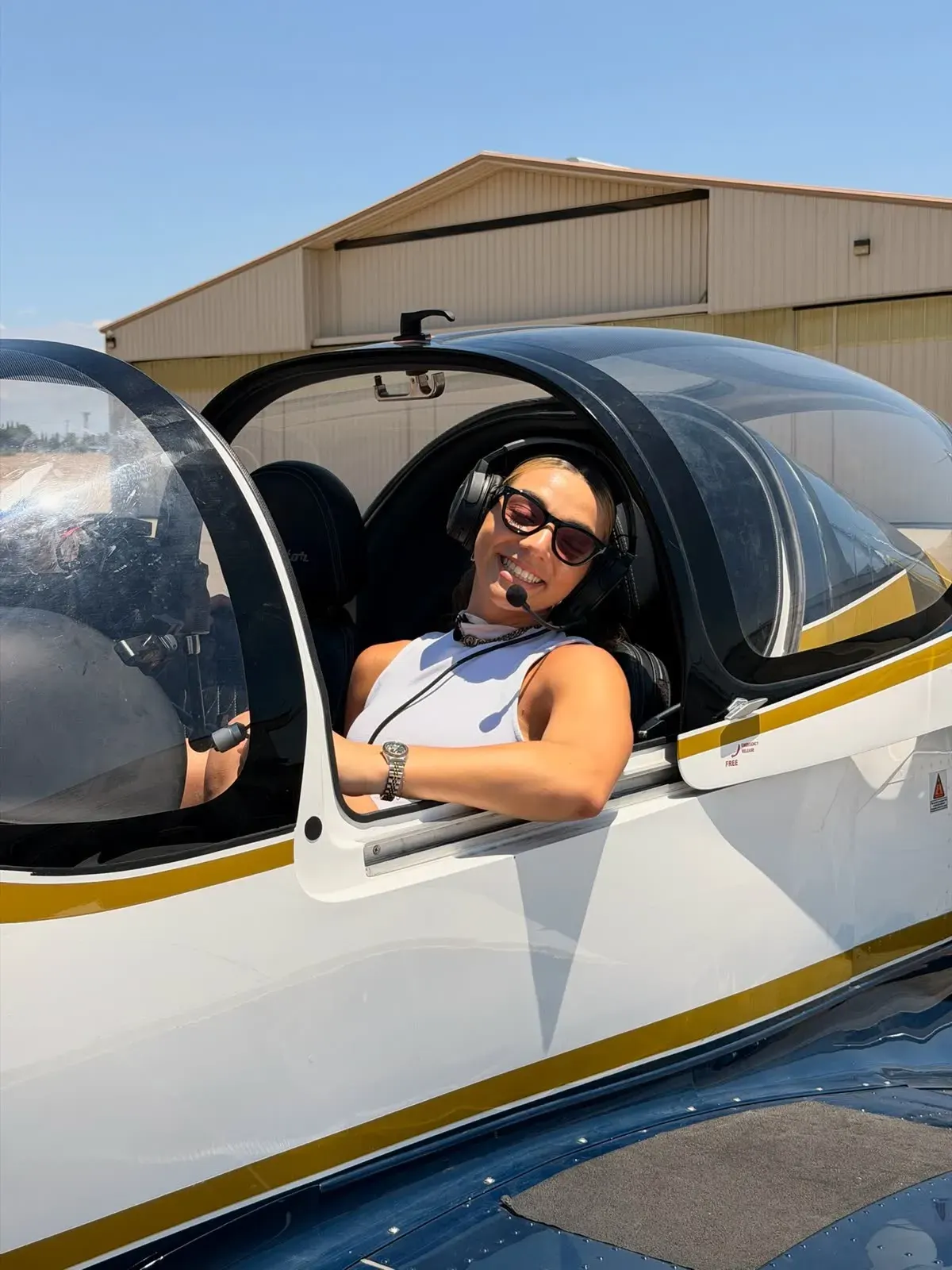
Two ways to earn it.
On your own schedule
This is how most people earn it. You book lessons two or three times a week around work or school, pay lesson by lesson, and fly from Riverside Municipal Airport. There is no program to join and nothing to commit to up front. Your first lesson is a discovery flight.
As part of the Career Track
The Career Track is our one program from zero experience to commercial pilot and flight instructor in nine months, full time. This step is months 1 to 3 of nine, and it is covered by the program's one price along with everything after it.
What the FAA requires
- Total flight time
- 40 hours
- With your instructor
- 20 hours
- Solo
- 10 hours
- Exams
- FAA written test and checkride
What you need to start
- Be at least 17 years old to get the license (16 to fly solo)
- Read, speak, write and understand English
- Hold at least a third-class FAA medical certificate
- Pass the FAA private pilot written exam
- No prior flying experience needed. The discovery flight is lesson one.
How it goes
First lessons
You take the controls on day one and learn to fly the airplane, not ride in it. Within weeks you are flying the traffic pattern with your instructor beside you.
First solo
One day your instructor steps out of the airplane and you fly alone. Every pilot remembers that date.
Cross-countries and checkride
You plan and fly real trips, solo, across Southern California. Then one flight with an FAA examiner makes it official.
What you learn
- Preflight, aircraft control and radio work
- Takeoffs, landings and the traffic pattern until they feel automatic
- Cross-country navigation on a Garmin glass cockpit
- Flying in busy Southern California airspace
- Night flying and emergency procedures, including engine-out landings
- Your first solo, then solo cross-countries
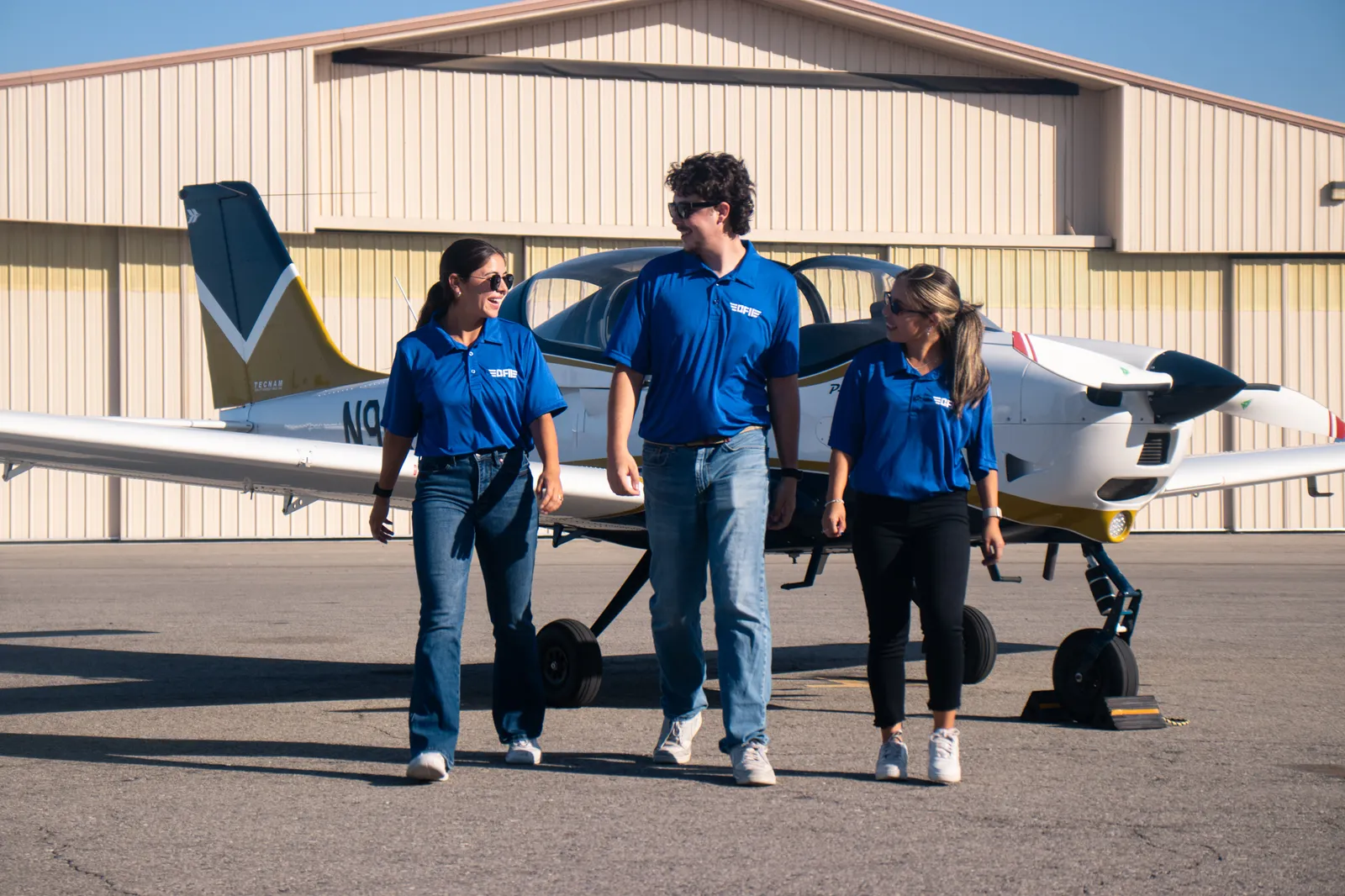
All of it in a modern Tecnam P-Mentor. See the fleet
How long it takes
The FAA minimum is 40 flight hours and most students need 50 to 60. Flying two to three times a week, that is four to six months.
On your own schedule, you pay lesson by lesson and go as fast or as slow as your week allows. In the Career Track, flown full time, it is months 1 to 3. It is covered by the program's one price.
- Where it sits in the Career Track
- Private Pilot LicenseMonths 1 to 3
- Instrument RatingMonths 3 to 6
- Commercial Pilot LicenseMonths 6 to 7
- Certified Flight InstructorMonths 7 to 8
- Instrument InstructorMonths 8 to 9
- Commercial Multi-EngineMonth 9
Questions.
How long does it take to get a private pilot license?
The FAA minimum is 40 flight hours, and most students finish in 50 to 60. Flying two to three times a week, that is four to six months. The biggest factor is consistency, and Southern California weather means you almost never lose a lesson to the sky.
Do I have to join the Career Track to get my private pilot license?
No. Most of our private pilot students train on their own schedule and pay lesson by lesson, with no program to join. The Career Track is for people who want to fly for a living: it includes the private pilot license as its first three months, then goes on to the instrument rating, the commercial license and the instructor certificates. If you start on your own and decide on a career later, your private license and your hours carry over.
Can I train while working full time?
Yes. Most of our private pilot students fit lessons around work or school. Two or three a week is a good pace, and at that pace the license takes four to six months. Because instruction is one on one, the pace is set by your schedule, not a class calendar.
Where do lessons fly from?
Riverside Municipal Airport, where the fleet lives. Every lesson starts and ends there.
Do I need a medical certificate before I start?
Not for your first lessons. You need a third-class FAA medical before you fly solo, so we recommend getting it early. It is a basic exam with an aviation medical examiner and most people pass easily. If you have a specific health question, ask an AME before spending money on training.
Is it safe to learn in a small airplane?
Safer than most people assume, and safer still in the right airplane. Our trainers are modern Tecnams with Garmin glass cockpits and a parachute for the whole airplane. You also train one on one with a certified flight instructor, every lesson.
Next in the sequence
Instrument RatingFly in the clouds, on an IFR flight plan. The rating that turns a fair-weather pilot into an all-weather pilot.
Come fly with us.
Book a discovery flight and fly a modern airplane yourself, with an instructor beside you. It is lesson one, from Riverside Municipal Airport, and the hour goes in your logbook.
Book a discovery flightOne hour. Pick any open hour from 8 AM.